

Industry Perspectives:
Destination Branding, Placemaking and Wayfinding across Asia and the Middle East.
Research, Insights & Perspectives
with Creative Dialog.
Insights, opinion and practical guidance on destination branding, placemaking and wayfinding across Asia and the Middle East — or take a deeper dive with Extended Dialog.
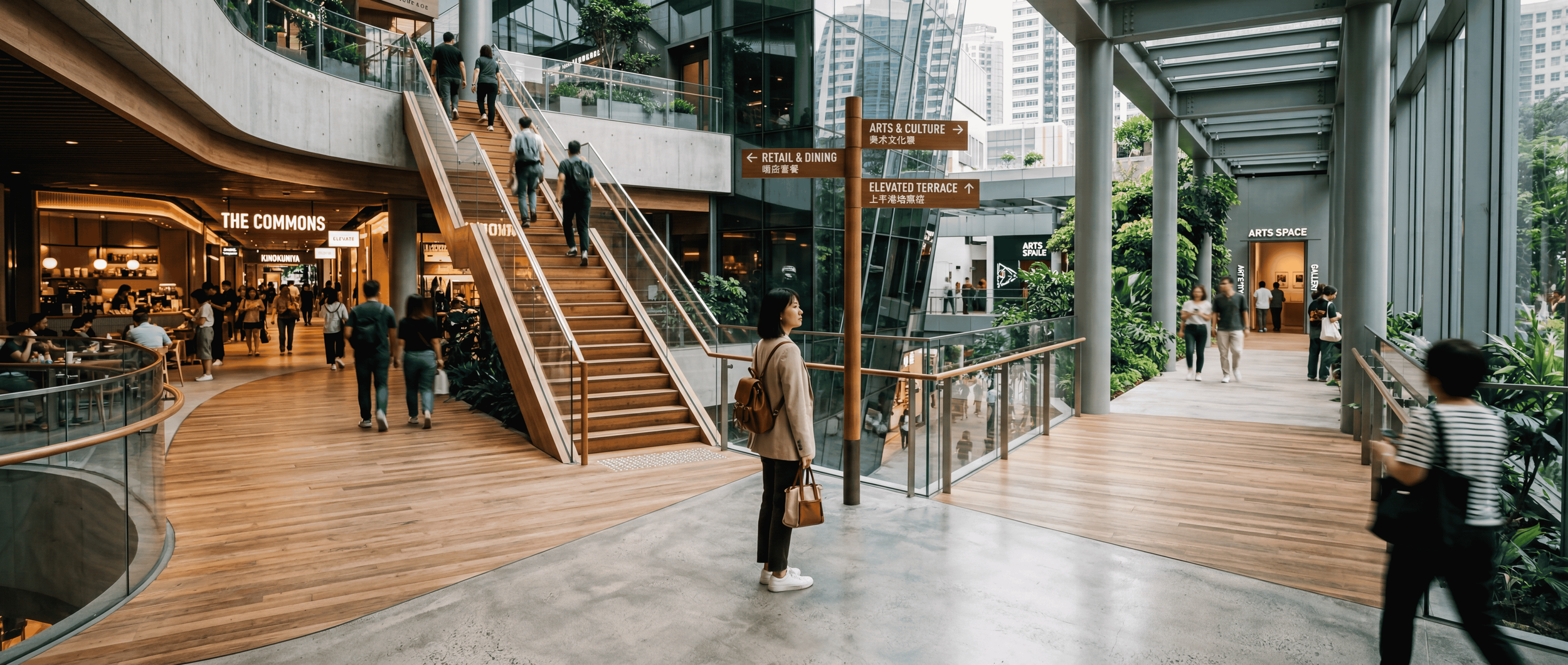
The Psychology of Navigation: Understanding Visitor Decision-Making at Critical Waypoints.
Wayfinding looks like signage. It isn't. Beneath every visible sign, screen and pictogram sits an older system — the human brain reading space, building mental maps and making split-second decisions about where to go next. Get the psychology right and the signage becomes almost incidental. Get it wrong and no amount of design can rescue the experience. This article unpacks the cognitive science behind navigation, and why the best destinations in Asia are now being designed brain-first.
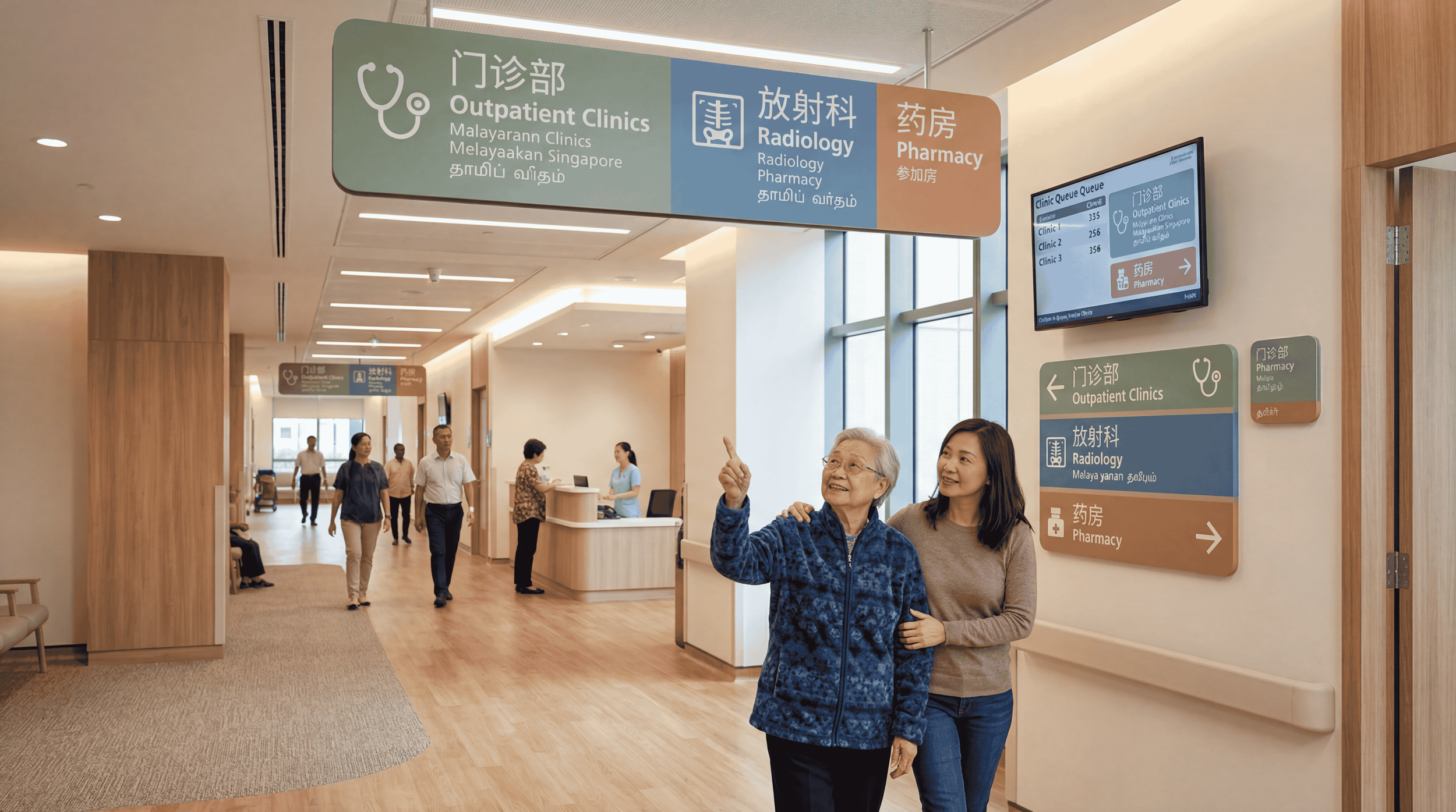
Healthcare Wayfinding: Reducing Anxiety Through Compassionate Navigation Design.
For patients arriving at a hospital, navigation is rarely the primary concern. Pain, fear, uncertainty, and the cognitive compromise of illness or injury all precede the question of which way to go. Yet the quality of wayfinding in healthcare environments may be one of the single most consequential factors in patient experience — and one of the most consistently underestimated.
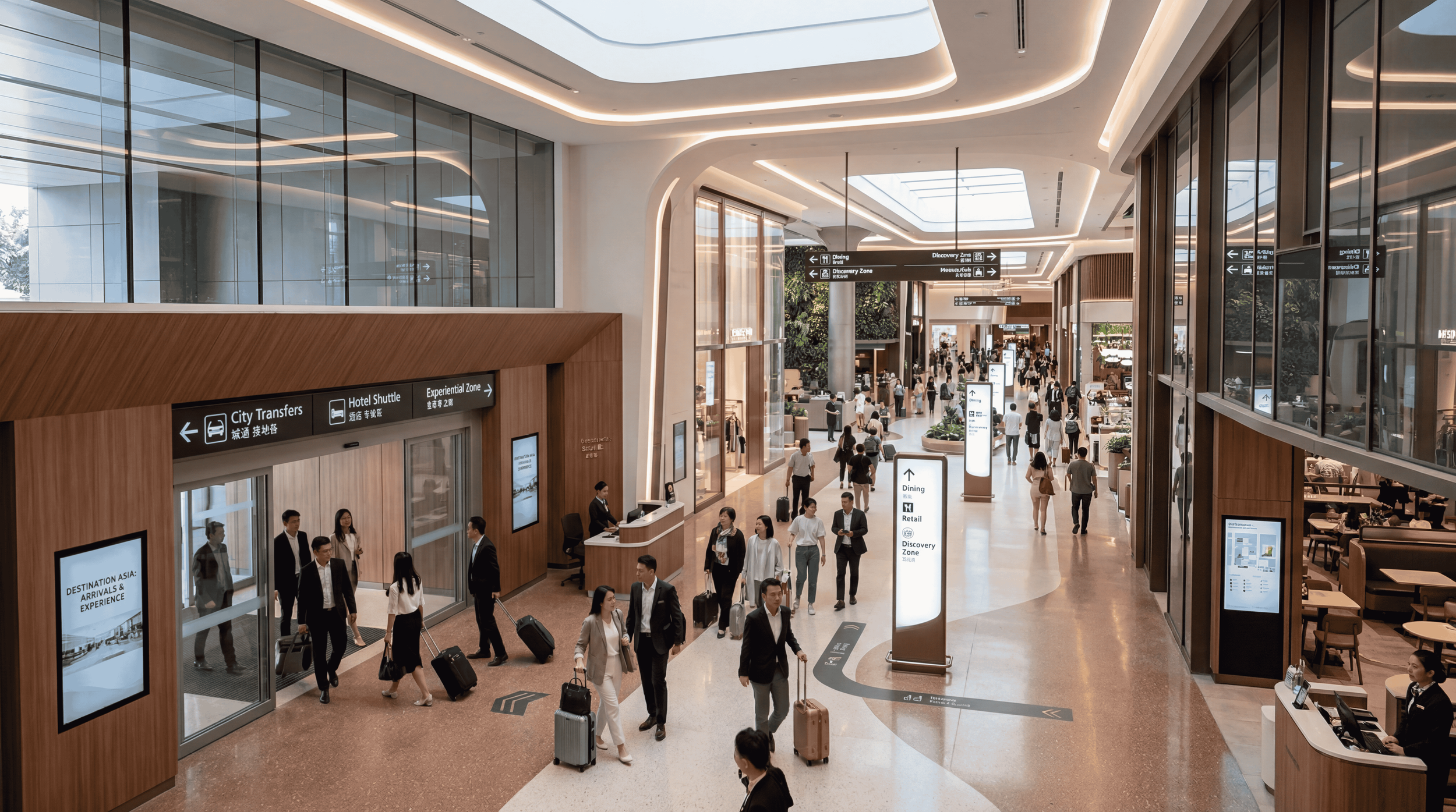
Visitor Journey Mapping: From Arrival to Departure — Creating Cohesive Navigation Narratives.
How destination journey mapping closes the gap between intended and lived visitor experience. A long-form analysis of decision architecture, transitions, and arrival-to-departure narrative.
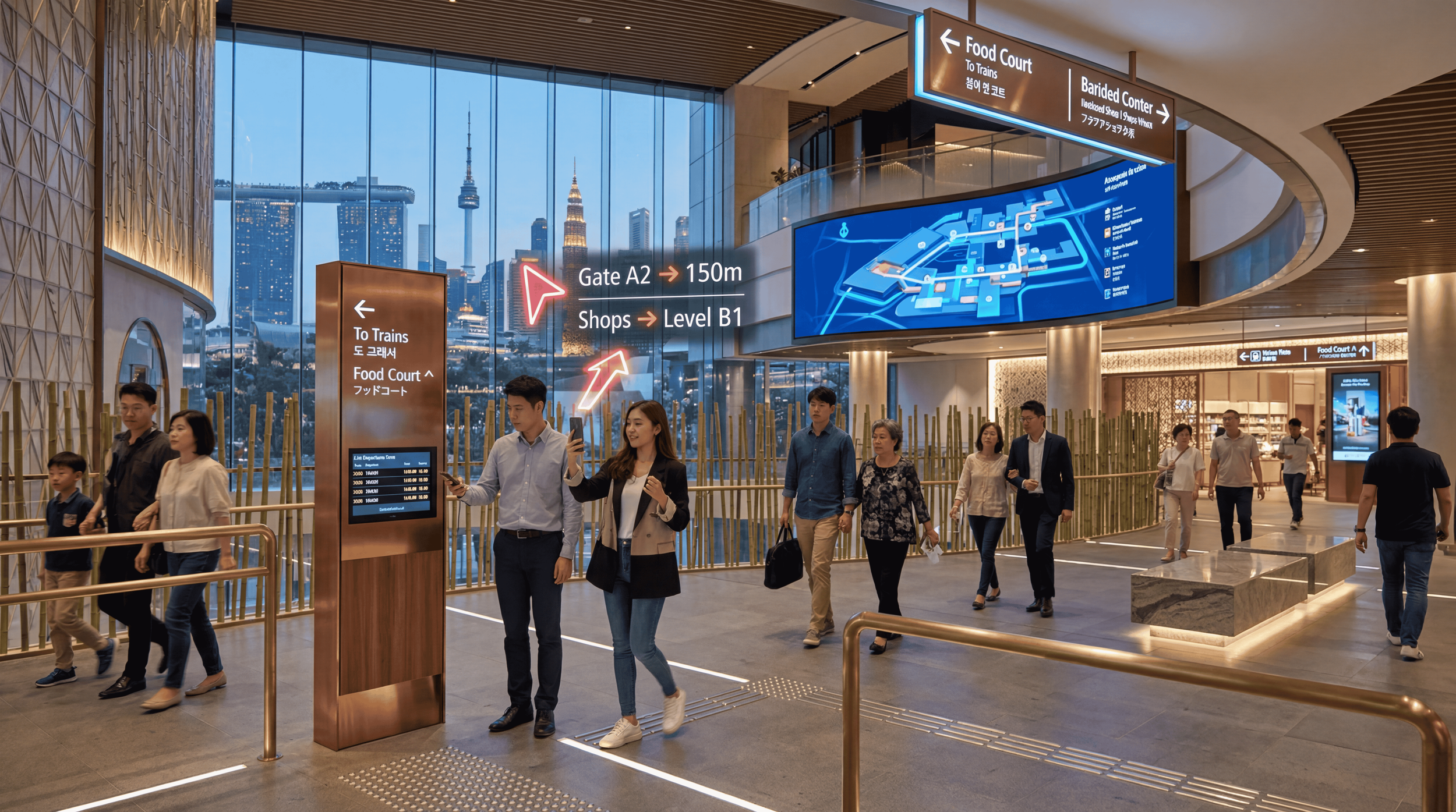
Digital-Physical Integration in Wayfinding: Creating Seamless Phygital Experiences.
There's a conversation that happens in almost every project briefing across Asia-Pacific. The client reaches a certain point — usually after the spatial planning discussion, sometimes right after the brand identity presentation — and someone says: "What about the app?"
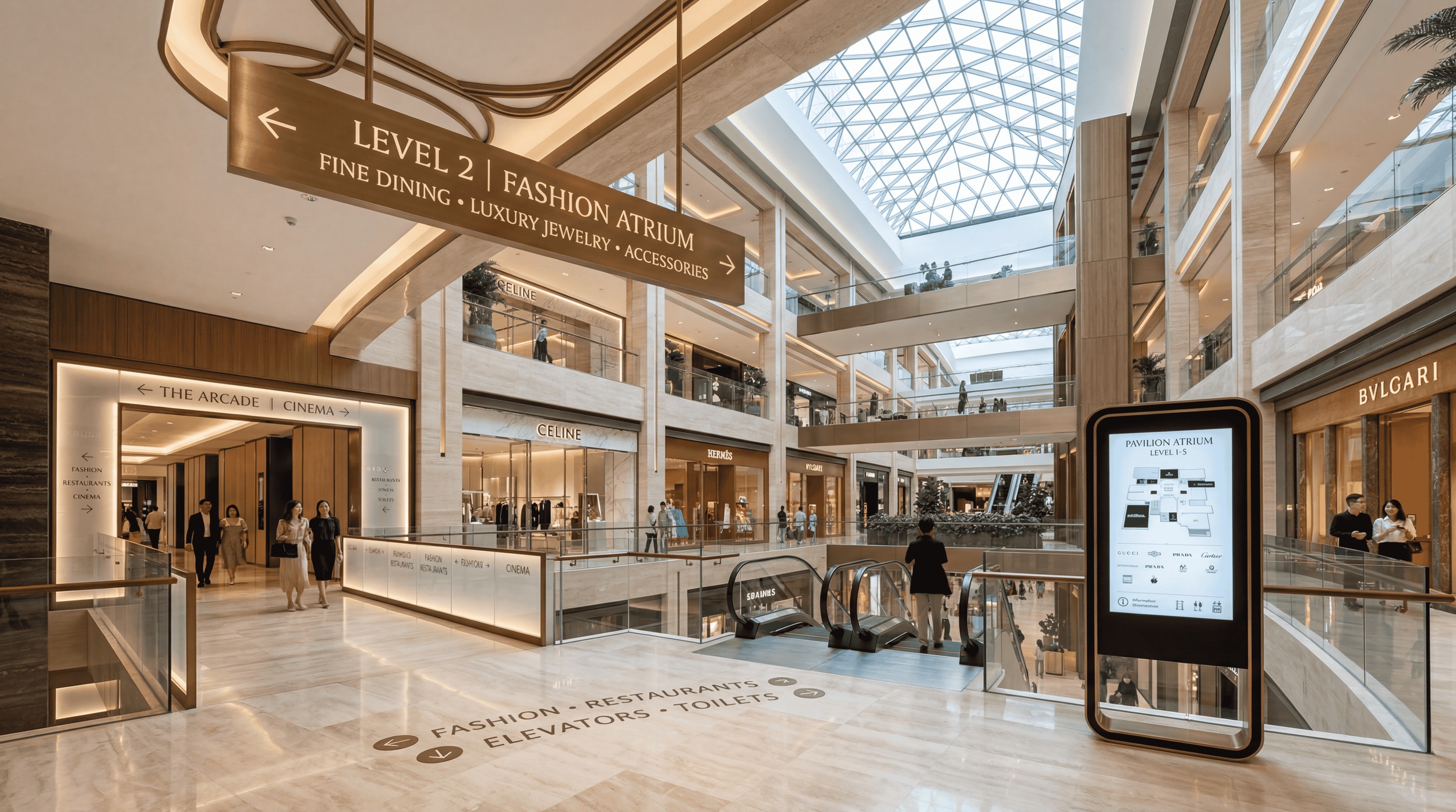
Retail Wayfinding That Drives Revenue: The Strategic Intersection of Navigation and Sales.
Every retail destination has a ghost number — the revenue that never materialises because visitors couldn't find what they were looking for. Research suggests that up to 38% of shoppers leave without purchasing when they can't locate products or stores, and of those who abandon a search, nearly half take their spending directly to a competitor.
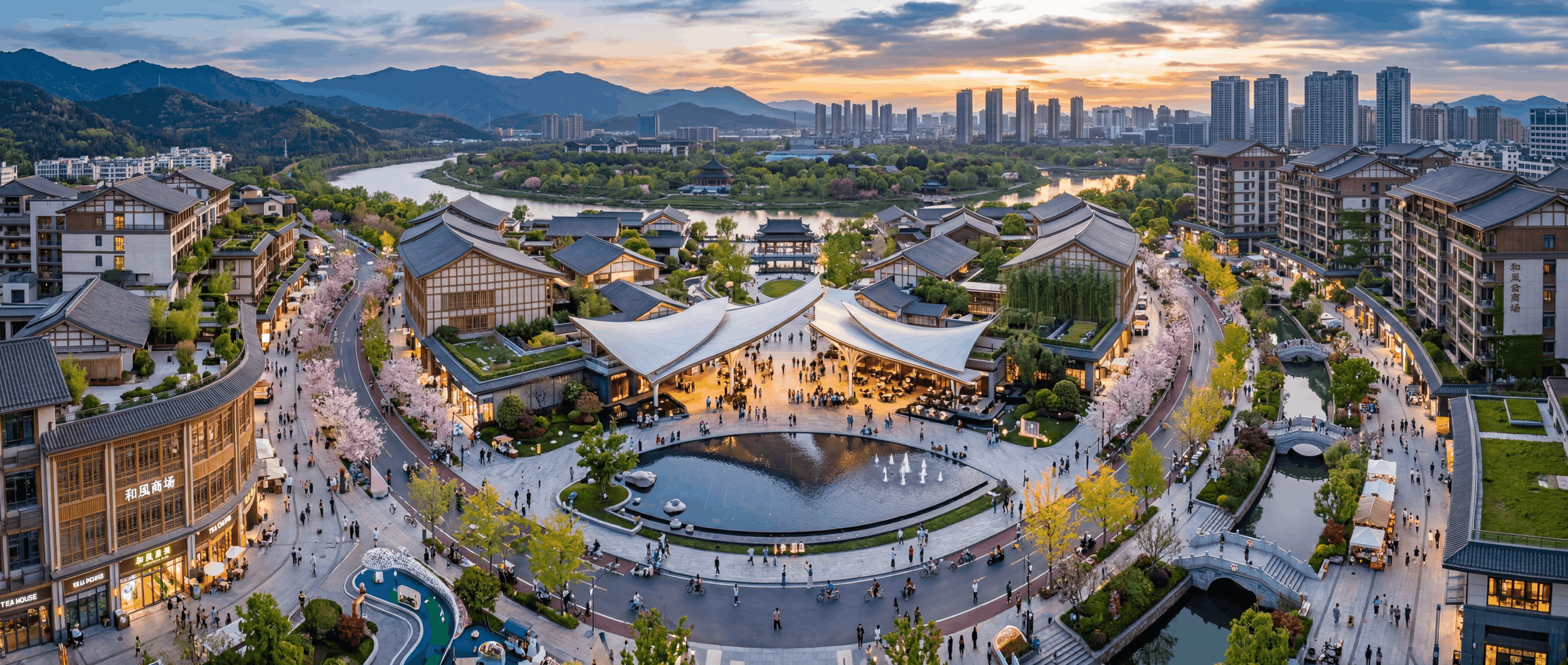
What Is a Placemaking Strategy? The Developer's Guide to Getting It Right.
Asia is investing at a scale the world has never seen. But as global competition for visitor attention intensifies, the question is no longer what gets built — it's what people feel when they arrive. The destinations winning the experience economy aren't the biggest or the most spectacular. They're the ones that understand people.
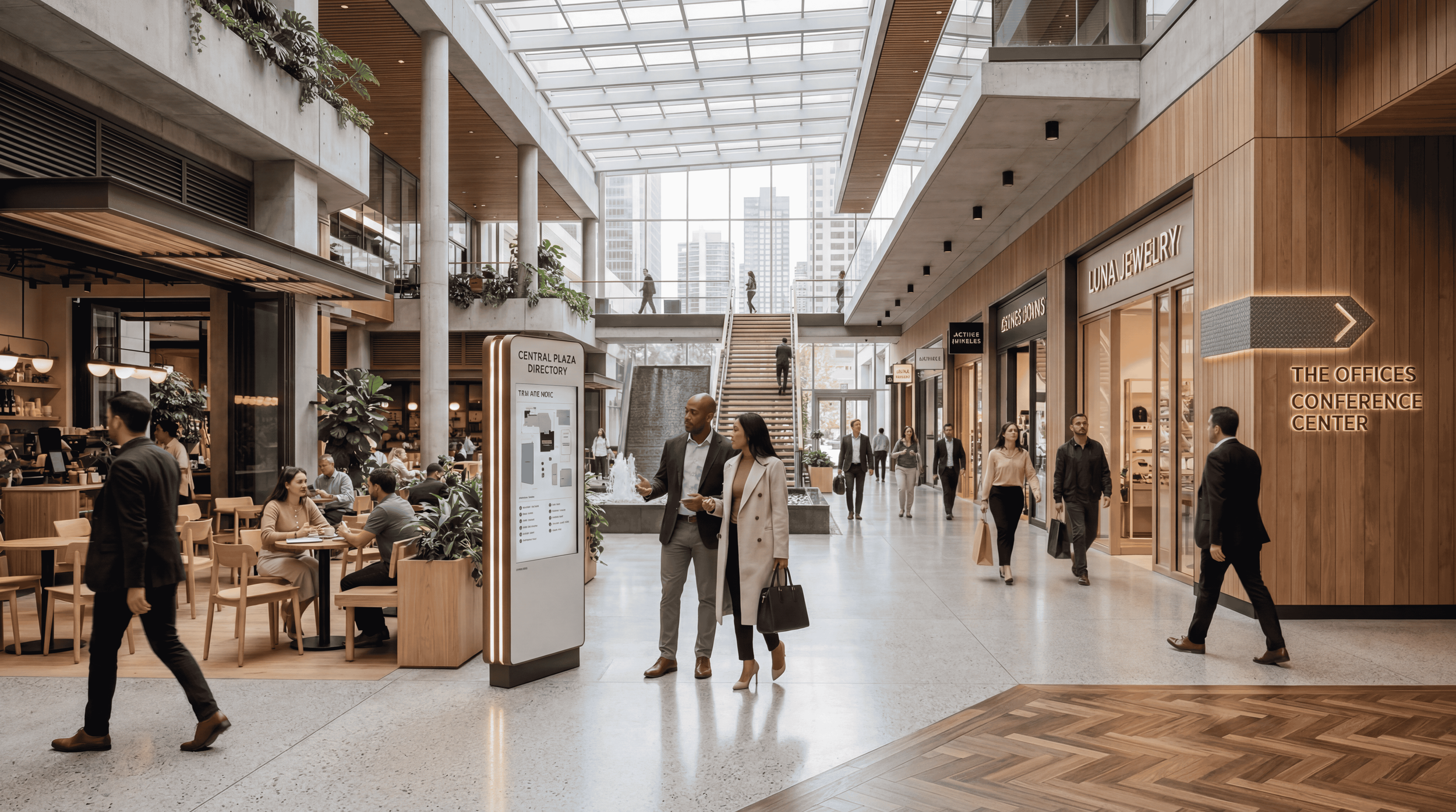
What is wayfinding? A Key Strategic Investment For Destinations.
Asia investing at a scale the world has never seen. But as global competition for visitor attention intensifies, the question is no longer what gets built — it's what people feel when they arrive. The destinations winning the experience economy aren't the biggest or the most spectacular. They're the ones that understand people.
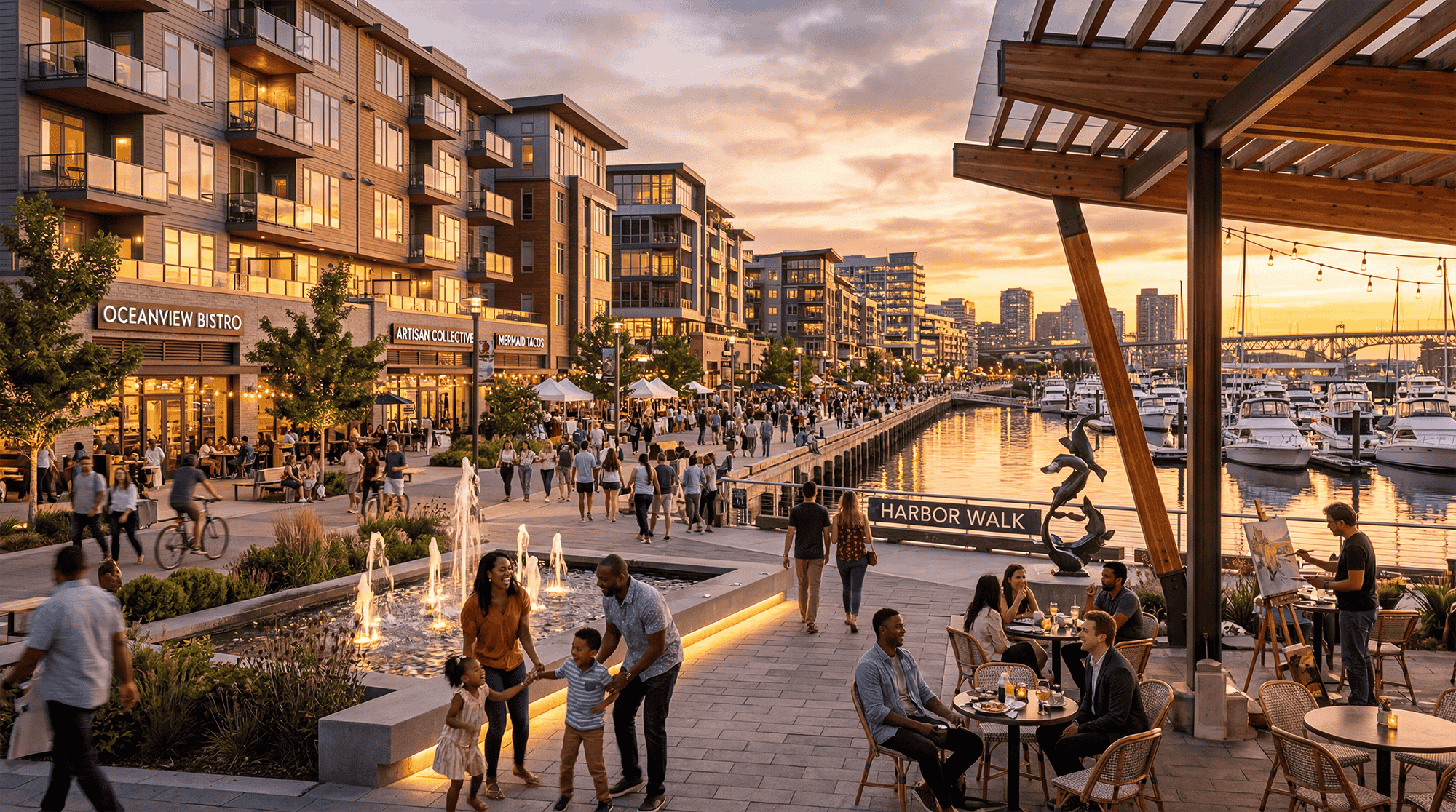
Destination Visioning: What Happens Before the Architects Start Drawing.
There's a phase in destination development that most project timelines undervalue, compress, or skip entirely — and it's the phase that determines whether a development becomes a genuinely distinctive place or simply another competent addition to the skyline. Destination visioning sits between the feasibility study and the design brief, answering the questions that design can't answer on its own: not what does this place look like, but what is this place?
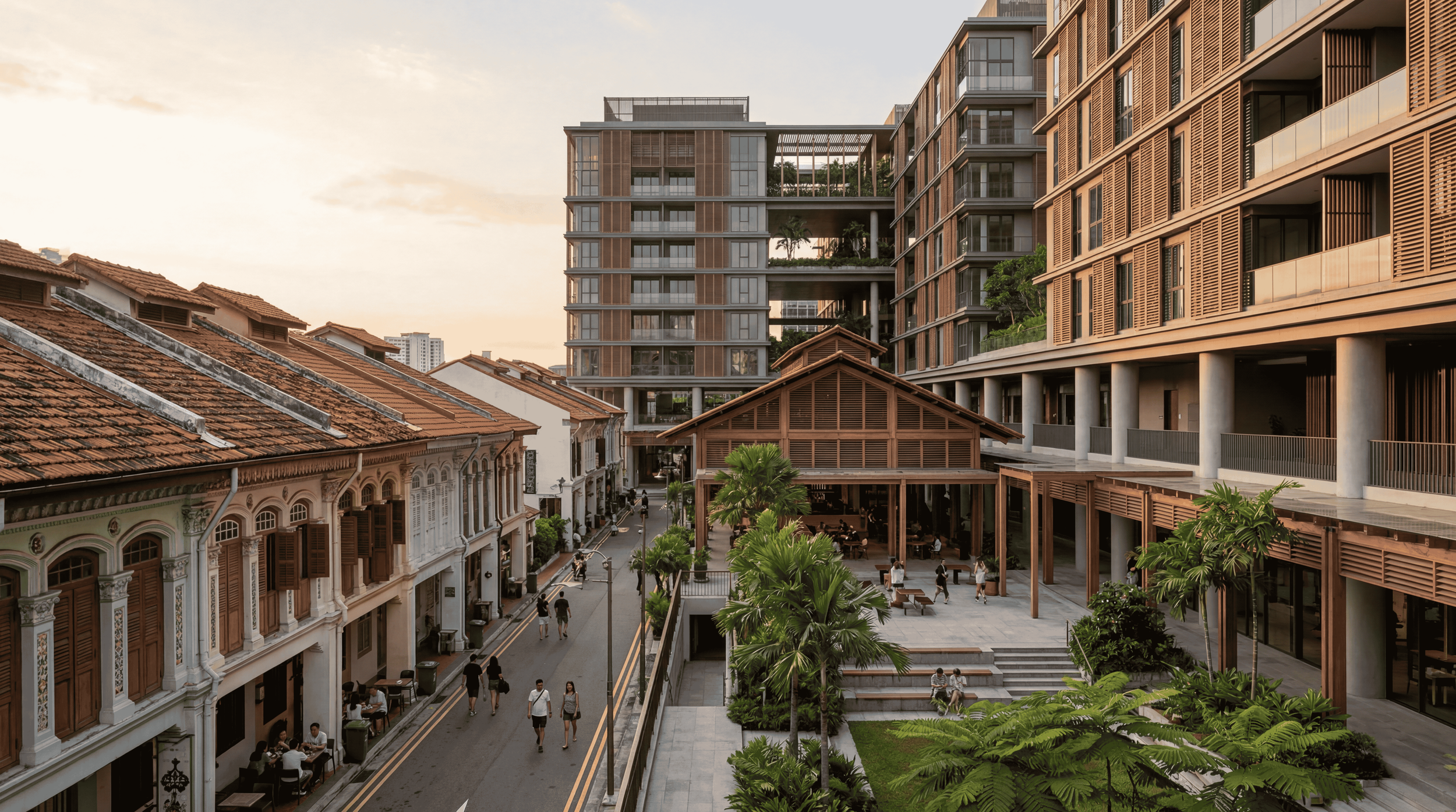
The Art of Placemaking in Asia Pacific: Creating Spaces That Tell Authentic Stories.
Asia-Pacific has always understood something fundamental about creating meaningful places. Long before "placemaking" entered the global design lexicon, the region's traditional urban forms demonstrated a sophisticated understanding of how physical environments shape human experience.
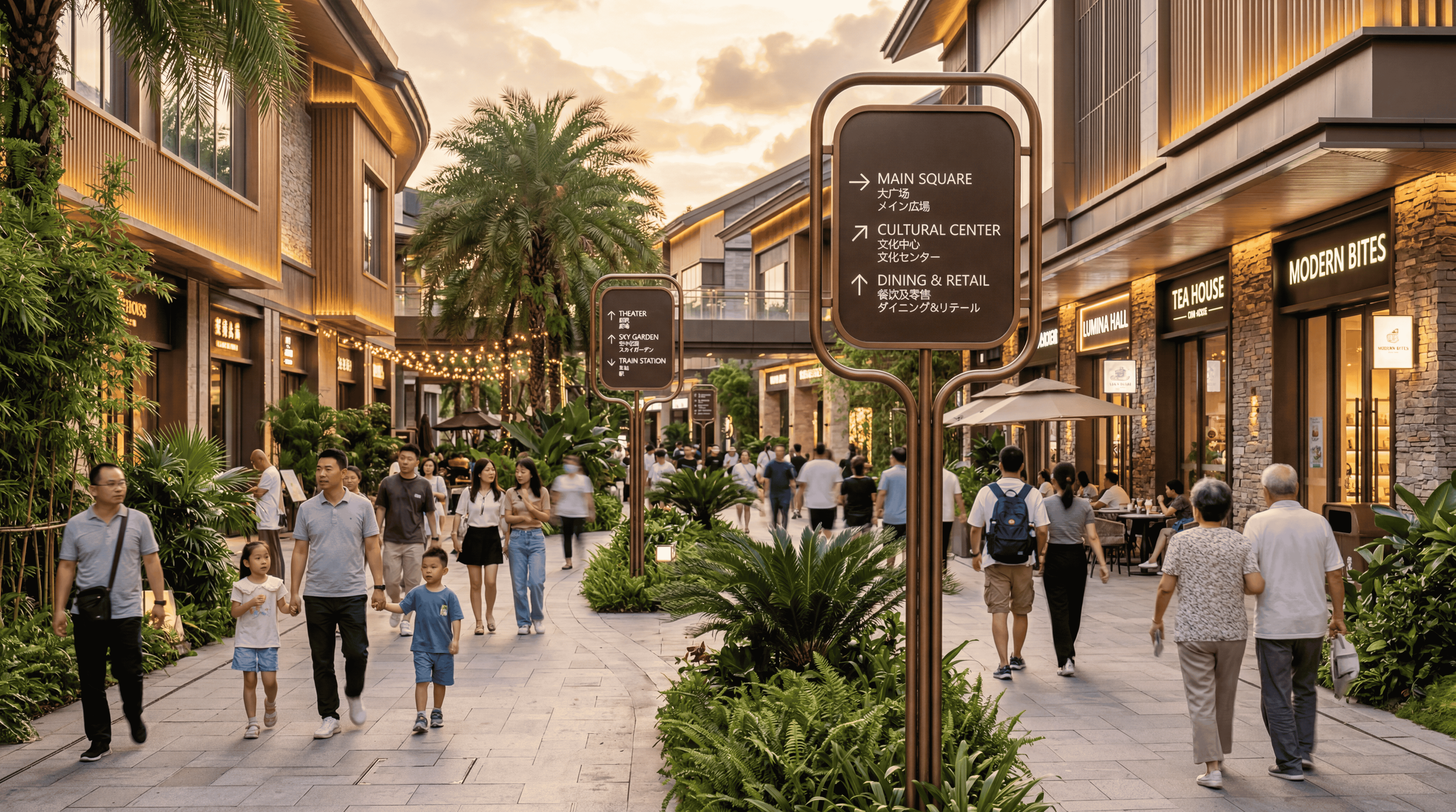
What Quality Wayfinding Is Actually Worth to Developers.
As life and the spaces, we encounter become more complex, the need for cities, master developers and asset managers to understand how people get to these places and navigate them has become more important than ever to ensure visitors are provided convenience as well as memorable and positive user experiences.
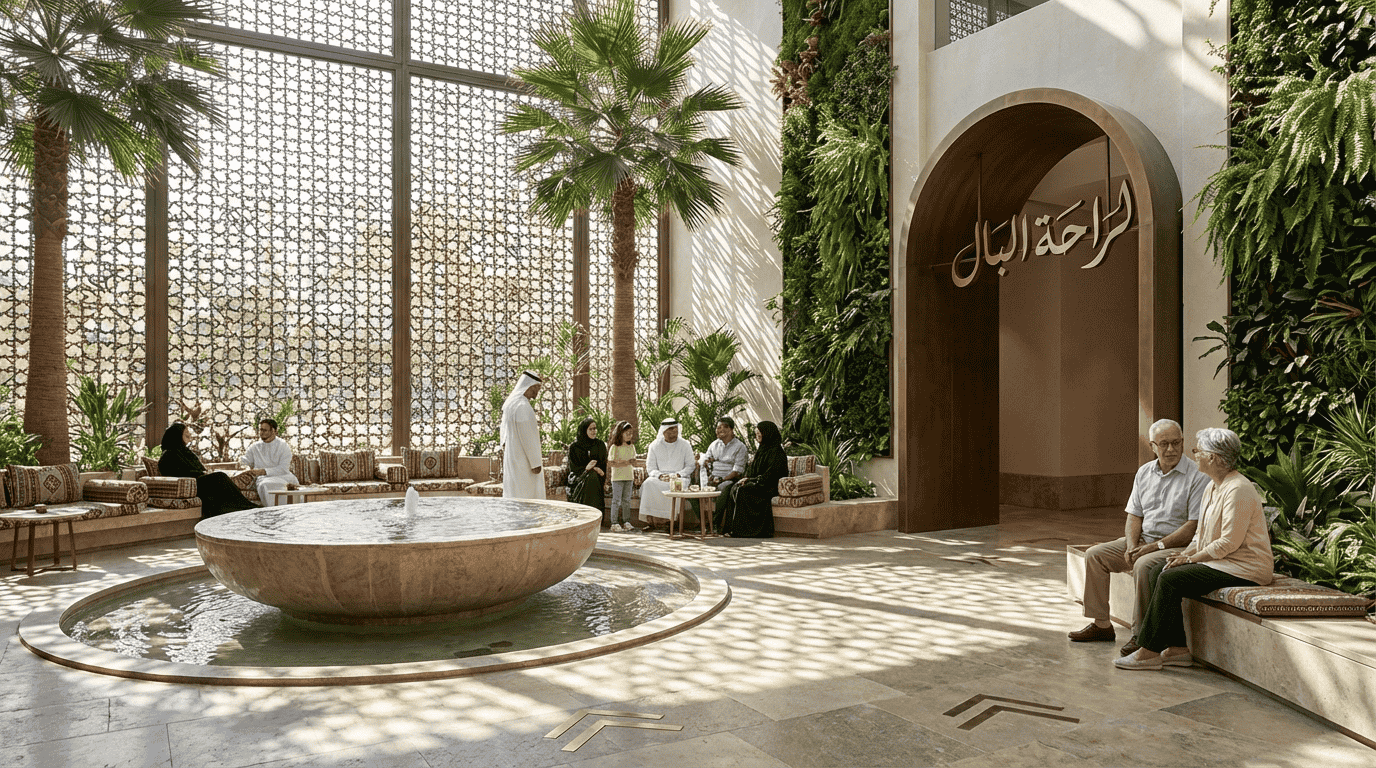
Placemaking & Wayfinding for a Better Sense of Wellbeing.
As designers and strategists that are focused wholeheartedly on improving the visitor experience, our role sees us working directly on creating spaces for people to use, consume and enjoy. More often than not the impetus is on delivering design to improve the aesthetic values of a destination such as when we engage on public art programs and even placemaking.
There is, however, a bigger yet deeper picture to consider.
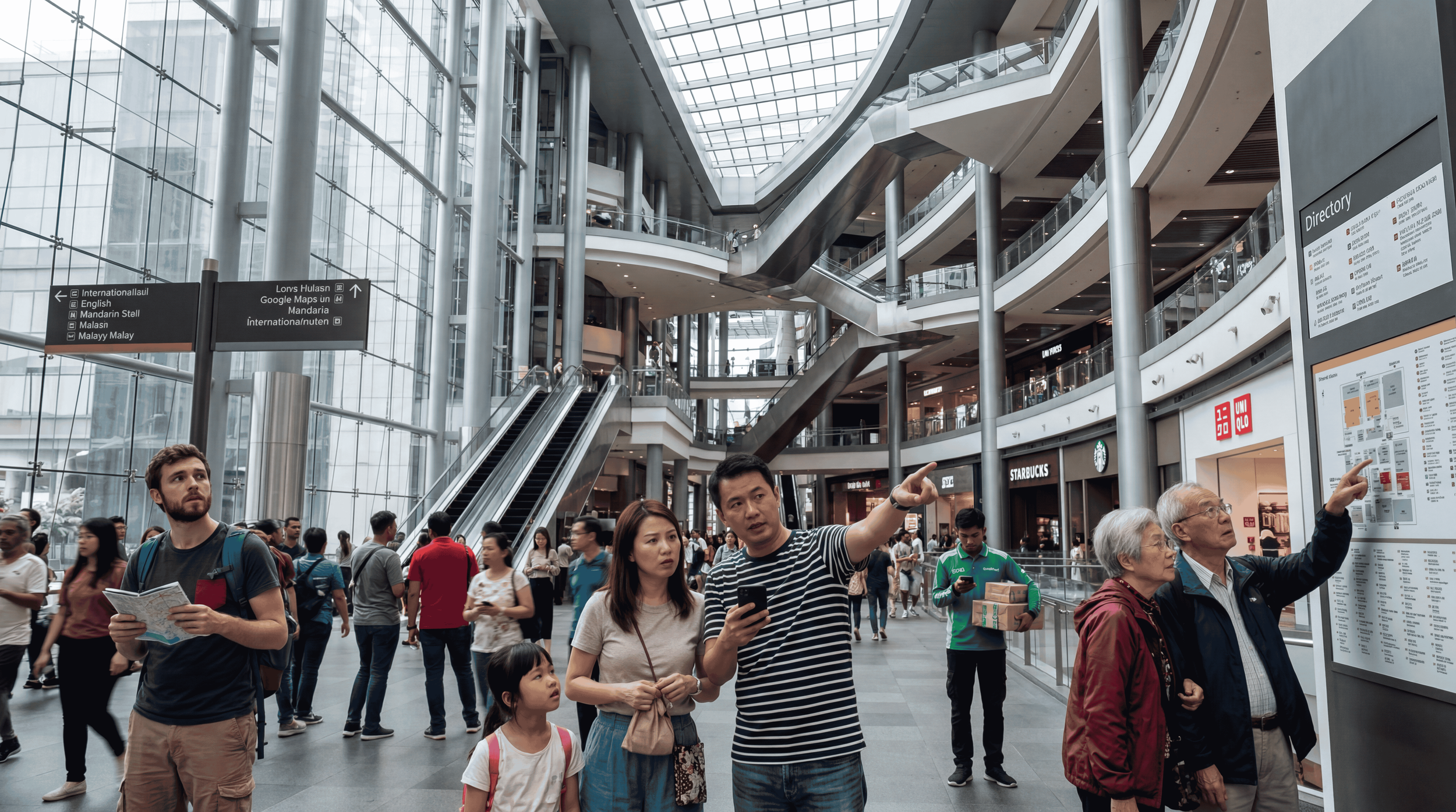
Why Visitor Experience Is Key To Destination Success.
As much as designers, urbanists, or developers attempt to re-imagine the needs of people in today’s contemporary urban environments, more often than not a lot of that planning is implemented based on commercial consideration and what developers think people want, not actually what they want or perhaps even need.
Go deeper with
Extended Dialog.
-
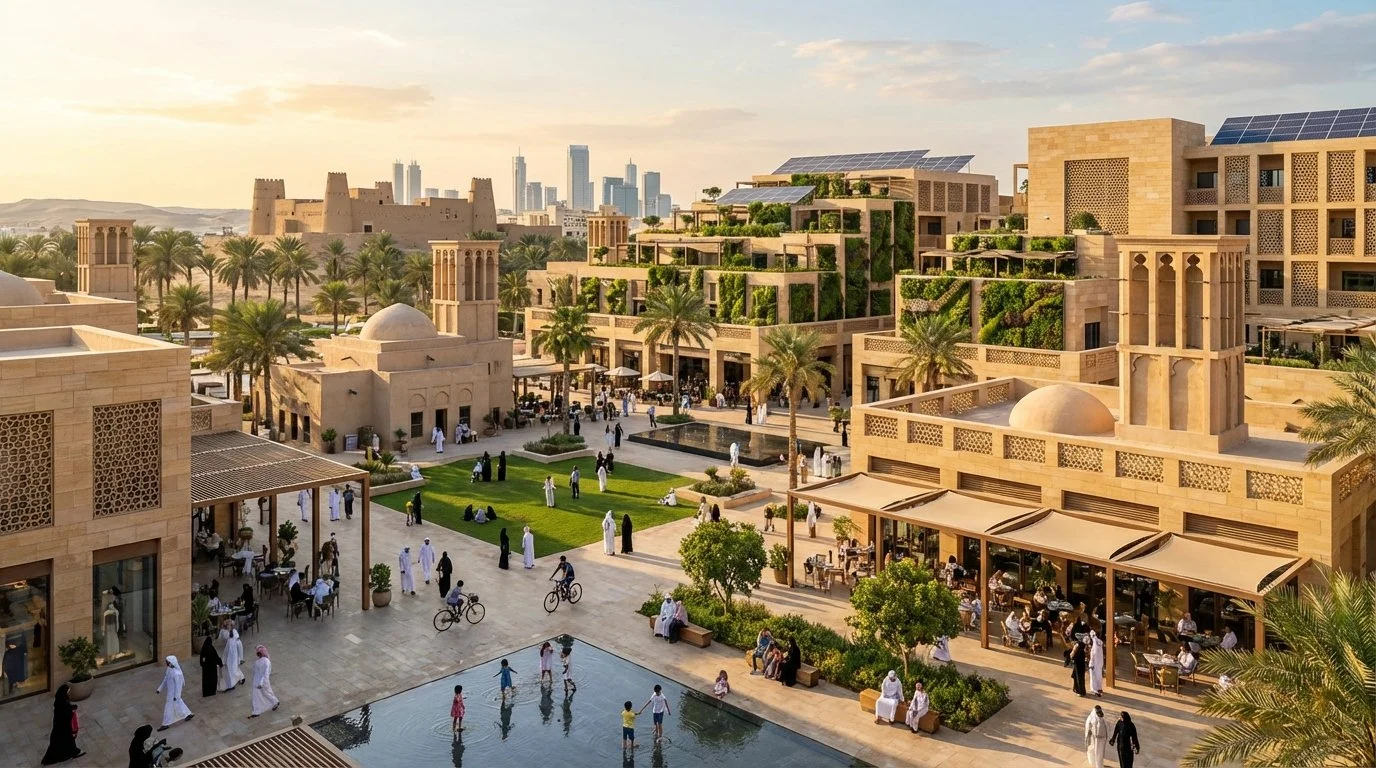
![Placemaking Strategy Dubai. A bustling outdoor marketplace with people walking, cycling, and sitting near a mosque and lush greenery, with modern skyscrapers in the background under a blue sky.]()
Placemaking ROI for MENA Developers
-
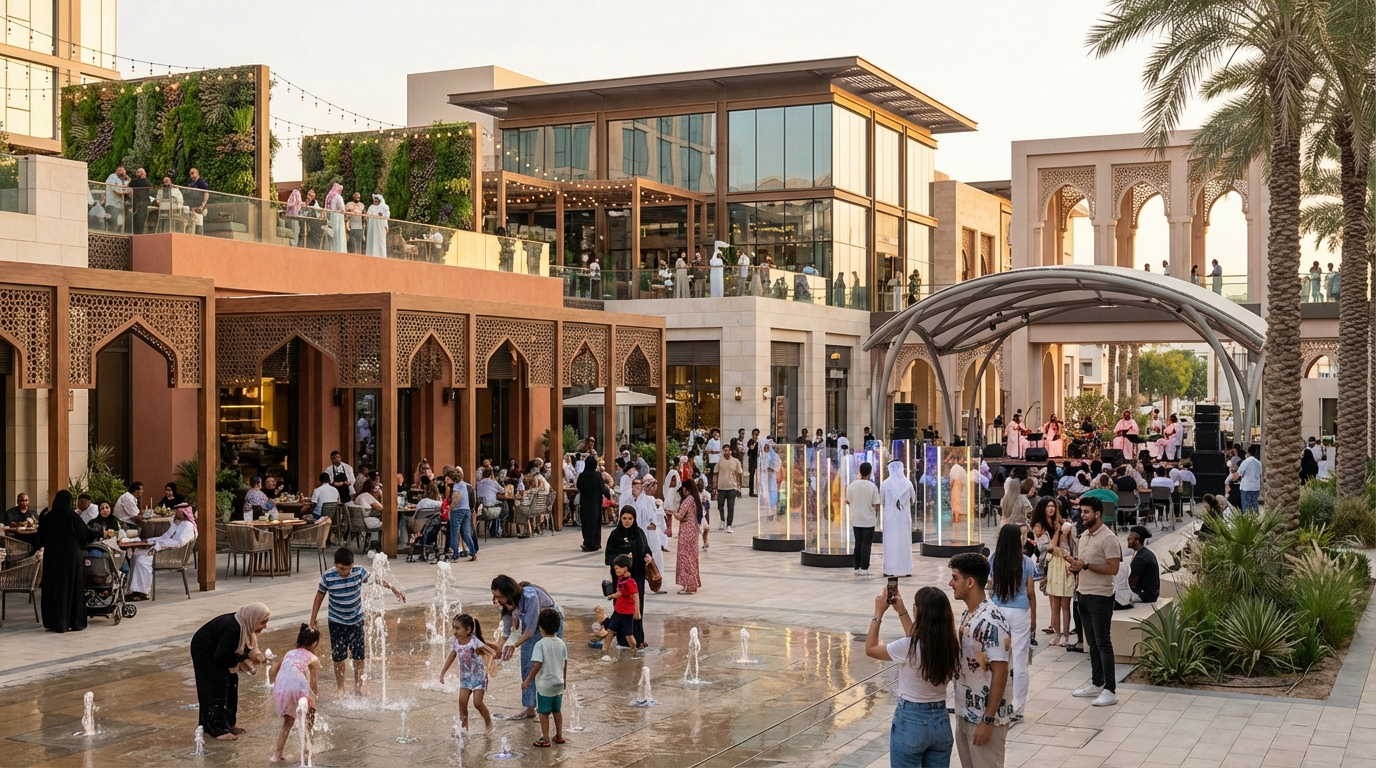
![Visitor Experience Strategy Dubai. A Middle Eastern destination is bustling with people as children play with a water fountain and people watch a musical performance.]()
Understanding the Experience Economy
-
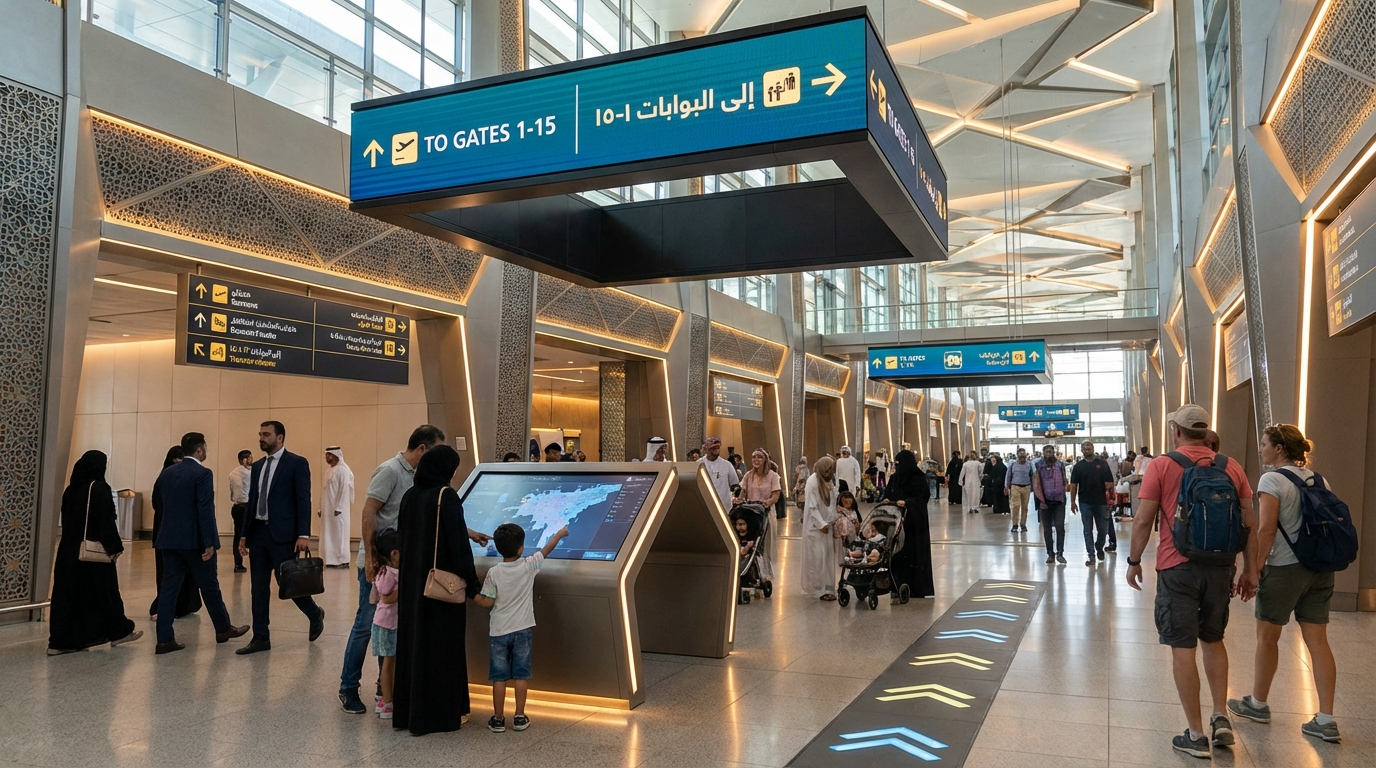
![Airport Wayfinding Strategy Dubai. Interior of an airport with travelers walking and standing, digital information and signage wayfinding displays, and an interactive kiosk showing a world map]()
Measuring Wayfinding Effectiveness
Request Proposal.
Ready to transform your destination?
Fill out some info and we will be in touch shortly.
We can’t wait to hear from you!
Our Professional Affiliations